
Integration Is How Africa Will Scale Digital Health

Worship Mahembe, Co-founder, ZimSmart Villages (Zimbabwe) and Aisha Abubakar Aliyu, Preparedness and Readiness Officer, Nigeria Centre for Disease Control and Prevention (Nigeria)
You may believe that we need more innovation to unlock digital health in Africa – we argue otherwise. Africa does not have a digital health innovation problem. Startups across the continent are developing solutions ranging from AI-powered diagnostics to drone deliveries and national data platforms. Africa’s digital health market was valued at $3.8 billion in 2023 and is projected to reach 15.6 billion by 2032, creating a opportunities for solutions that can move beyond pilots and scale sustainably—especially as these startups continue to attract investment from both local, regional and international sources.
By integration, we mean digital tools that are interoperable, aligned with clinical workflows, supported by national policy, and embedded within existing health systems rather than operating alongside them. However, this opportunity is constrained by a lack of integration across digital health infrastructure. Digital health tools and initiatives often fail not because the technology is weak, but because ther are disconnected from the health systems they are meant to support. Too often these tools are layered onto fragile infrastructure, introduced without alignement with clinical workflows and funded through short-term grants that prioritize novelty over long term sustainability.
As African women working at the intersection of digital health, artificial intelligence, and resilient health systems, we see this pattern repeatedly and we are working to change this by embedding technology within stronger and more resilient systems, ensuring that innovation serves patients, not just pilot programs.
When Innovation Outpaces Systems
The digital health landscape is crowded with promising tools. But many are developed in isolation: separate apps for disease surveillance, stand-alone platforms for maternal health, AI models built on datasets that do not reflect African realities.
In Zimbabwe, AI-powered telehealth tools struggled because they were designed without consulting frontline nurses and community health workers. Instead of fitting into existing clinical workflows, these platforms added extra reporting tasks, forcing health workers to juggle digital and paper systems. For a nurse in a rural clinic, this can mean entering the same patient information multiple times across different systems while managing a full waiting room. Without alignment to actual care processes, even sophisticated technology went largely unused.
In Nigeria, digital health initiatives often operate in silos, with multiple unconnected platforms trapping vital data in separate systems. Many also rely on uninterrupted electricity, which is not guaranteed in rural areas. The combined effect is digital fatigue among overworked health staff and incomplete data reporting, showing that without integration and context-sensitive design, technology can fail even before adoption.
The result is paradoxical: innovation-rich, system-poor environments.
Without strong governance, inclusive datasets, and integration into national health priorities, digital health technologies, including AI, risks replicating the same pilot-to-fragmentation cycle.
Technology alone cannot fix weak systems. In Zimbabwe, unaligned telehealth tools increased administrative work rather than reducing it, and in Nigeria, multiple unconnected platforms forced organisation to duplicate data entry. In both cases, well-intentioned technology ended up straining health workers and undermining care delivery.
What Scaling Actually Looks Like
There are examples of a different path, one that prioritizes governance, ownership, and interoperability over standalone innovation.
In Nigeria, the adoption of DHIS2 as the national backbone for health data illustrates what true scaling looks like. By unifying reporting from thousands of facilities, enforcing national data standards, and building government ownership, the system improved coordination and visibility across the country. Here, success was not about a new app, but about scaling through integration, governance, and alignment with national priorities.
In Rwanda, integrating the national vaccine registry with birth registration demonstrates how integrating existing systems, and building within the current infrastructure rather than outside of it can heave real impact. This impact has resulted in a reduce workload, improved data quality and has helped reach unvaccinated and undervaccinated children.
In Zimbabwe’s ZimSmart Villages initiative,digital tools succeeded only after they were co-designed with users and aligned with real workflows. When solutions reduce paperwork, improve surveillance, and make frontline work easier, adoption follows.
What distinguishes these examples is not sophistication of technology, but strength of system integration.
Sovereignty and Systems
For digital health to truly scale in Africa, the global development ecosystem must rethink its incentives. This means investing in national digital infrastructure, enforcing interoperability standards, and ensuring that new technologies are designed with ministries of health and frontline workers from the start. Without this alignment, even the most promising innovations struggle to move beyond pilot stages.
Too often, funding structures reward innovation pilots rather than long-term system strengthening. Projects are evaluated on speed of deployment, not on interoperability, maintenance planning, or institutional adoption. Ministries of health are left managing fragmented platforms once grant cycles end.
Donors, governments, and private sector actors to align around national ownership rather than project visibility.
We are at a critical juncture in Africa’s health sovereignty allowing us to re-write the rules of partnerships with donors and the private sector, we should leverage this opportunity to focus on securing ownership and building our health sovereignty in the digital health space.
Those working closest to health systems often see these gaps most clearly. Women are overrepresented among frontline health workers and community health leaders. We understand how care is delivered in practice, not only how platforms function in theory. This lived proximity to health systems shapes how we design and advocate for digital transformation. From a systems perspective, Africa’s future in digital health and AI does not depend on producing more apps. It depends on embedding technology within resilient, publicly owned systems.
Within the Africa Women in Digital Health (AWiDH) network, we see women bridging technical expertise and systems thinking: pushing for ethical AI governance, advocating for contextual design, and prioritizing sustainability over short-term wins. That means designing for unstable power and low bandwidth. It means investing in governance as much as in software. It means treating interoperability as non-negotiable. And it means funding leadership pipelines, especially for women, who understand how to translate innovation into public value.
The continent has the talent. It has the ideas. It has the ambition.
What it needs now is alignment: between innovation and infrastructure, between donors and national priorities, between technology and the realities of frontline care.
If we close the systems gap, digital health can transform health outcomes across Africa.
If we do not, we will continue to celebrate pilots that never reach the patients who need them most.
About the Authors
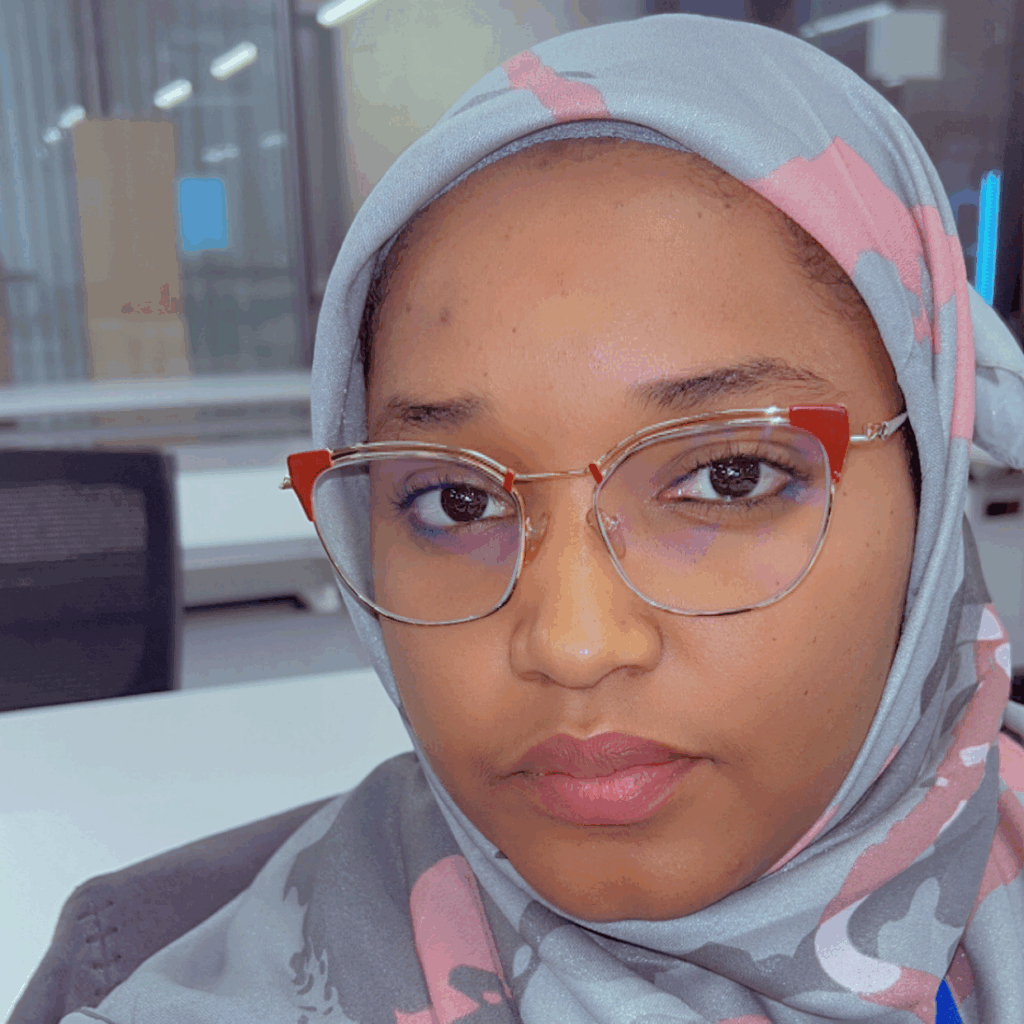
Aisha Abubakr Aliyu – Preparedness and Readiness Officer, Nigeria Centre for Disease Control and Prevention (NCDC), Nigeria
Aisha focuses on emergency preparedness, risk assessments, and logistics for infectious disease response. Through her work at NCDC, she has reduced outbreak response times, ensuring that vaccines, medicines, and medical supplies reach affected communities faster. Her leadership in integrating digital surveillance systems and policy frameworks has enhanced Nigeria’s ability to detect, respond to, and contain epidemics, improving health security nationally and across the continent.

Worship Mahembe – Co-founder, ZimSmart Villages
Worship develops AI-powered solutions to improve healthcare access in underserved communities, including teleobstetrics and breast cancer detection platforms. ZimSmart Villages has digitized rural healthcare, allowing remote consultations via telehealth kiosks and reducing travel barriers. Their teleobstetrics platform has saved maternal lives through timely care and early detection of complications, while programs for cervical and breast cancer screening have improved early diagnosis and treatment outcomes in rural populations.
About African Women in Digital Health (AWiDH)
African Women in Digital Health (AWiDH) is an African-led initiative closing the gender gap in digital health. We are building opportunities to improve the policy, capacity, and investment landscape for African women to fully participate in the digital health sector. By bringing together stakeholders working on health, gender and technology to take coordinated and effective action for women’s meaningful engagement and leadership in digital health.
To find out more, visit: https://awidh.org/en
About Speak Up Africa
Speak Up Africa is an African-led, Senegal-based organization dedicated to building an Africa where growth and sustainable development are driven by Africa’s own citizens. Speak Up Africa convenes, enables and advocates. Focusing on strategic communications and advocacy, the organization is dedicated to supporting African leaders and citizens to take an active role in identifying and developing solutions to tackle the challenges facing the African continent, including malaria, NTDs, immunization, sanitation, gender equality and global health research and development. From its strategic base in Dakar, Senegal, the Speak Up Africa team partners with African leaders and change-makers to put in place the right policies and secure sufficient resources to achieve our sustainable development goals and the African Union’s Agenda 2063.
To find out more, visit https://www.speakupafrica.org/en
